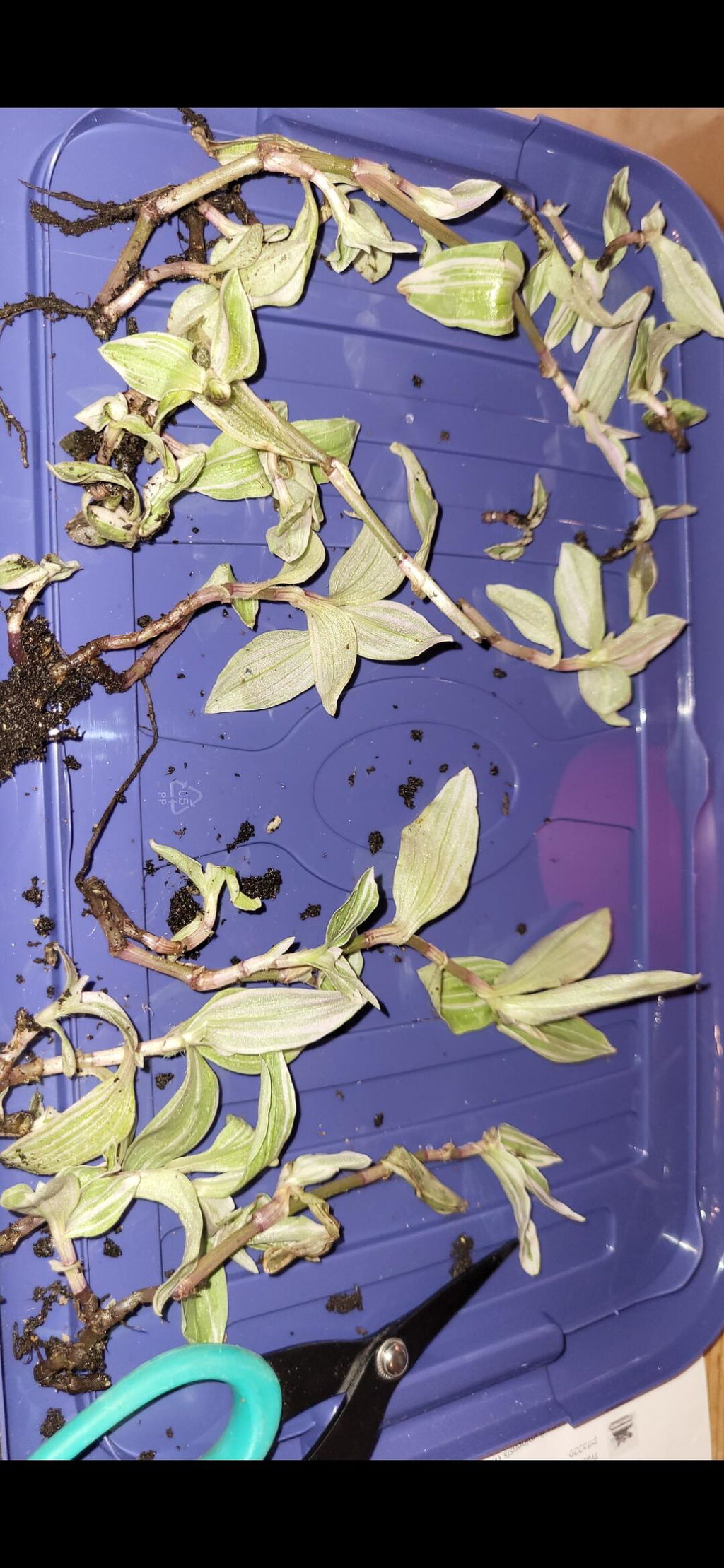
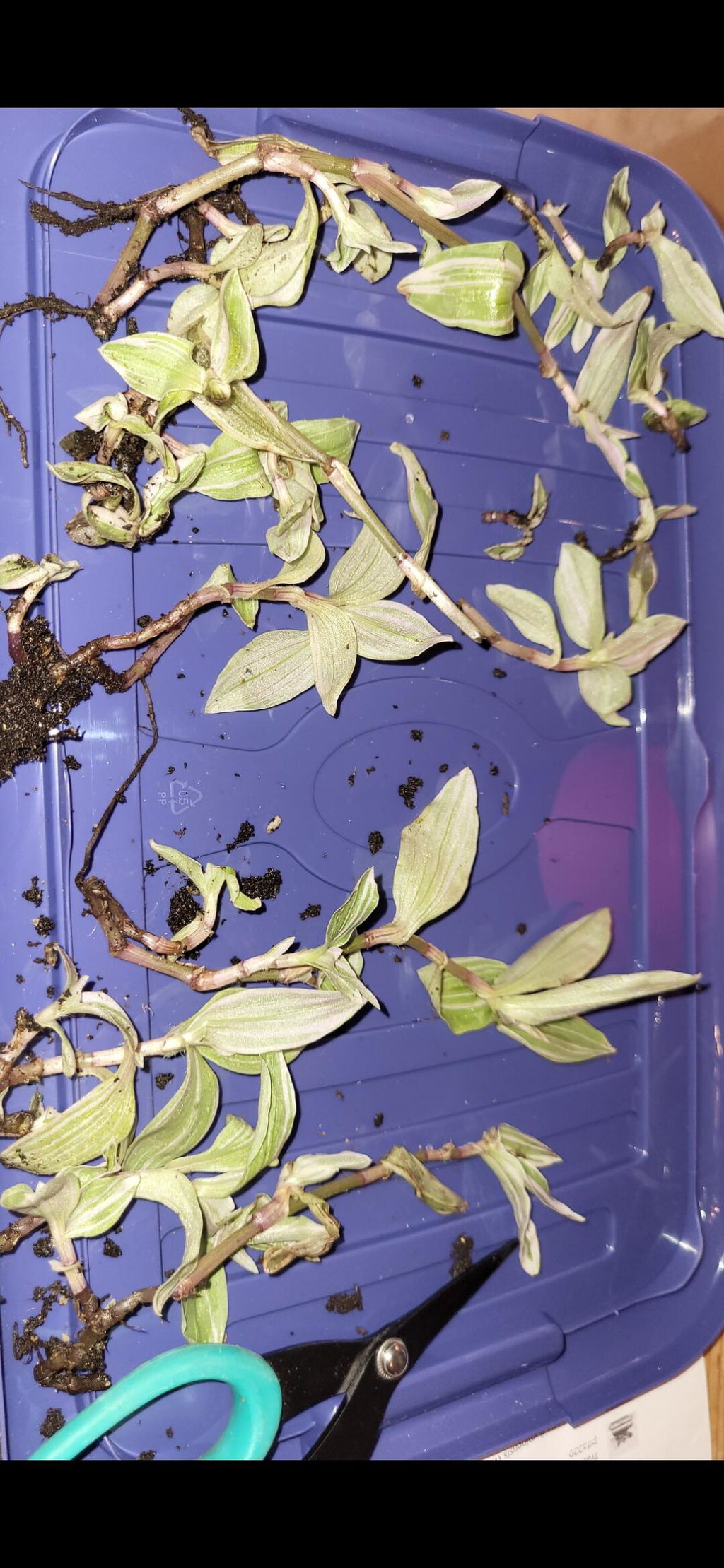
Tradescantia fluminensis White Giant

Tradescantia fluminensis White Giant

€6,90
Skip to product information
Tradescantia fluminensis White Giant

Tradescantia fluminensis White Giant

€6,90
Organic
Sustainable
Locally grown

🪴Standard: 9x9 cm pot

🚂  Ships across EU

🌱 Grown without pesticides or UV lamps

Rapid vegetative growth.

Easy propagation

Moderate drought tolerance

Pest resilience

Foliage interest

Flower Color: White

Preferred Soil Type: Well-drained, Adaptable, Fertile

Sunlight: Partial shade

Growth Habit: Compact

Origine: Unknown

Tradescantia fluminensis White Giant has compact stems and fairly large white and silvery green variegated leaves, making it an ideal hanging basket plant.

Drought tolerant, luminous, slow growing and compact in shape, the large leaves of ‘White Giant’ will also provide a striking backdrop for the delicate white flowers, making it a luminous addition for any apartment.


The leaves of Tradescantia fluminensis White Giant are large, some of the largest found in the Tradescantia family. Variegated with a stark green and white variegation, with occasional hints of pink on the undersides.
The flowers are white with three petals and approx. 13–25 mm in diameter.
They are produced in small clusters in summer but do not produce seeds.

Learn more about the Tradescantia family:


pda370
Gardening Tips

Make sure the light is not too weak and divide the bunch every 2 years as the growth is vigorous and dense - they will even block light for their siblings if it means they can get ahead. Shakespearean dramas are everywhere!

Regular trimming maintains compact growth and encourages branching.

Easily propagated from cuttings year-round; rooting in water is highly effective > check out our step by step article on How to do Tradescantia cuttings. (this one is perfect for beginners)

Works beautifully in mixed containers, as groundcover in rockeries, or cascading from raised planters - mix with Tradescantia pallida Purpurea or Heuchera 'Black Pearl' for high color contrast

The Botany

Floral Morphology: Tradescantia fluminensis White Giant

Tradescantia fluminensis Yellow Hill flowers are small, actinomorphic, and trimerous, with three bright white petals.

Flowers are borne in clusters (cymes) at the tips of stems and are short-lived, often opening for a single day but produced in succession to provide extended bloom.

Leaves are alternate, simple, and often lanceolate, with a succulent or slightly fleshy texture in some species. Many cultivars have variegated or purple-tinged foliage, adding ornamental value even when the plant is not flowering.

Reproductive Biology

Tradescantia species are hermaphroditic, capable of self-pollination, though insects such as bees and hoverflies are the primary pollinators.

Fruits are capsular, splitting into three sections containing small seeds.

Some species also propagate readily via stem cuttings, which root easily in soil or water, making Tradescantia a favorite for vegetative propagation and indoor plant enthusiasts.

Ecology & Adaptations

Tradescantia thrives in temperate to subtropical environments, so in France we're limited to using them in:

  • Container and indoor gardening: This is a perfect variety for container/indoor gardening as it trails, making it ideal for hanging baskets.
The Myth

Tradescantia fluminensis White Giant is not a formally established name, but is the most common name used for this cultivar. Sometimes you can find it under its old name ‘T. albiflora'.

Tradescantia, commonly called spiderwort, is a genus in the Commelinaceae family, comprising around 75–90 species of perennial herbs.

Native to the Americas, especially Central and South America, these plants are prized for their vivid foliage and delicate, three-petaled flowers, making them favorites for borders, rockeries, and indoor displays.

The genus was named by John Tradescant the Elder, a 17th-century English botanist and gardener who introduced many North American plants to Europe.

In fact, Tradescantia was one of the first North American plants introduced to European gardens in the 17th century, and some cultivars are now so widespread they are considered naturalized in many temperate regions worldwide.

You may also like

  • 5 stars: 1 (100%)
  • 4 stars: 0 (0%)
  • 3 stars: 0 (0%)
  • 2 stars: 0 (0%)
  • 1 star: 0 (0%)
K
Katrin Elm

Leider hat die Pflanze den langen Transport, der an der Post und nicht der Verkäuferin lag, nicht so gut überstanden und es waren viele Triebe kaputt und verschüttet. Allerdings waren genug Triebe dabei, sodass ich einige retten konnte.